

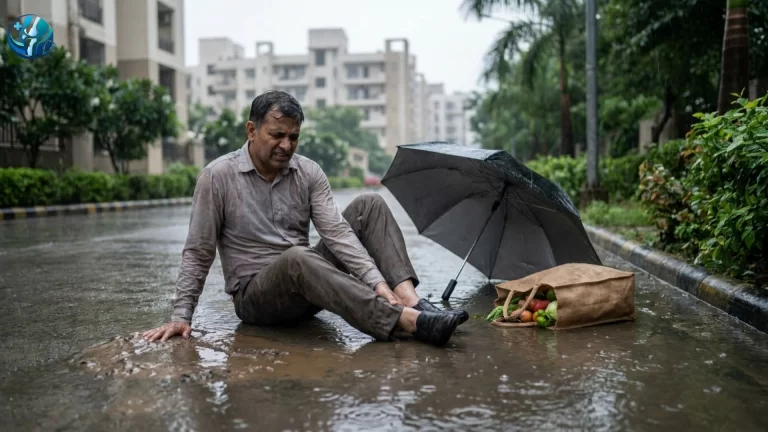
The monsoon brings welcome relief from the heat, but it also brings a sharp rise in slip and fall injuries. Wet floors, slick footpaths, and mossy staircases turn ordinary movements into real risks for bones and joints. While a fall may seem minor at first, some injuries need prompt medical attention to avoid long-term complications.
This guide covers the most common orthopedic injuries caused by monsoon falls, how to identify a serious injury, immediate first-aid steps, and when it’s time to consult an orthopedic doctor in Savedi, Ahilyanagar.
Why Monsoon Increases the Risk of Slip and Fall Injuries
Every monsoon, hospitals and clinics see a noticeable spike in fall-related injuries. There are several reasons why this season is particularly risky for slips and falls:
- Wet roads and footpaths: Continuous rain leaves outdoor surfaces slick, and puddles often hide potholes or uneven ground.
- Slippery staircases: Water tracked in from outside makes both indoor and outdoor stairs hazardous, especially without proper grip or handrails.
- Moss on outdoor surfaces: Damp conditions encourage moss and algae growth on tiles, steps, and pavements, making them dangerously slippery.
- Bathroom accidents: Wet bathroom floors are one of the most common places for indoor falls throughout the year, and the risk increases further during humid, rainy months.
- Two-wheeler skids: Riders navigating wet or oil-slicked roads are more prone to sudden skids, which can lead to fractures and joint injuries.
- Poor visibility during heavy rain: Reduced visibility makes it harder to spot obstacles, uneven pavements, or open drains, increasing the chances of an accidental fall.
Understanding these risk factors is the first step toward prevention and toward recognizing why prompt orthopedic evaluation matters after a fall.
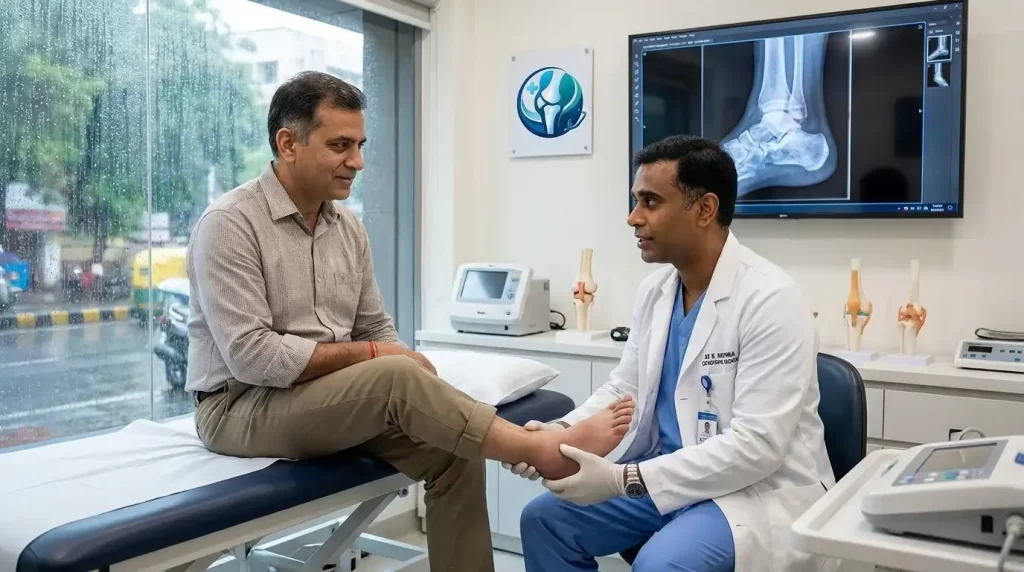
Common Orthopedic Injuries After a Monsoon Fall
Not all falls result in the same type of injury. The affected body part usually depends on how a person falls and how they try to break the impact.
Ankle Sprains
An ankle sprain happens when the foot twists awkwardly, stretching or tearing the ligaments that support the joint. This is one of the most frequent monsoon injuries, especially on wet or uneven surfaces.
- What happens during a twist: The ankle rolls inward or outward beyond its normal range, stressing the surrounding ligaments.
- Mild vs severe sprains: A mild sprain may cause slight swelling and discomfort, while a severe sprain can involve significant swelling, bruising, and an inability to bear weight.
- When to seek treatment: If swelling doesn’t reduce within a couple of days, or if walking remains painful, it’s time to have the ankle examined rather than waiting it out.
Wrist Fractures
When someone loses their footing, the natural reflex is to stretch out a hand to break the fall. This instinctive reaction often results in wrist injuries.
- Why people instinctively use their hands during a fall: The body’s protective reflex places sudden, direct force through the wrist and forearm.
- Common symptoms: Sharp pain, swelling, tenderness around the wrist, and difficulty moving the hand or gripping objects are typical signs of a possible fracture.
Knee Ligament Injuries
Falls that involve a sudden twist or direct impact on the knee can damage the ligaments that stabilize the joint.
- ACL (Anterior Cruciate Ligament): Often injured when the knee twists suddenly during a fall or awkward landing.
- MCL (Medial Collateral Ligament): Commonly affected when there is sideways force on the knee.
- Meniscus injuries: The cartilage cushioning the knee joint can tear during a fall, particularly if the knee is bent and twisted at the same time.
- How these differ from arthritis: Ligament and meniscus injuries are the result of a specific traumatic event and usually cause sudden pain, swelling, and instability unlike arthritis, which develops gradually over time and is not linked to a single fall.
Shoulder Injuries
A fall onto an outstretched arm or directly onto the shoulder can cause significant damage to this joint.
- Dislocation: The upper arm bone can be forced out of the shoulder socket, causing intense pain and visible deformity.
- Rotator cuff injury: The muscles and tendons stabilizing the shoulder can tear, leading to weakness and pain when lifting the arm.
Hip Fractures
Hip fractures are among the most serious outcomes of a monsoon fall, particularly for older adults.
- Older adults: Age-related changes in bone density and balance make seniors more vulnerable to hip fractures from even a minor fall.
- Osteoporosis: Weakened bones due to osteoporosis can fracture with relatively little impact.
- Importance of early treatment: Delayed treatment of a hip fracture can significantly affect mobility and overall recovery, making prompt medical attention essential.
How to Tell if Your Injury Is Serious
Not every fall requires a hospital visit, but certain warning signs should never be ignored:
- Unable to stand or bear weight on the affected limb
- Severe or rapidly increasing swelling
- Visible deformity in the joint or bone
- Difficulty moving the affected joint through its normal range
- Persistent pain that doesn’t ease with rest
- Numbness or tingling in the injured area
- Suspected fracture, such as a popping sound at the time of injury or a grinding sensation
If any of these signs are present, it’s best to consult an orthopedic doctor rather than waiting to see if the injury improves on its own.
What to Do Immediately After a Fall
The first few hours after a fall play an important role in managing pain and preventing further damage. The RICE method is a simple, effective first-aid approach:
- Rest: Avoid putting weight or strain on the injured area.
- Ice: Apply a cold pack to reduce swelling and numb pain, ideally within the first 24 to 48 hours.
- Compression: A snug (not tight) bandage can help control swelling.
- Elevation: Keeping the injured limb raised above heart level helps reduce fluid buildup.
Equally important is knowing what to avoid:
- Avoid massage: Massaging an acute injury can worsen swelling and internal bleeding.
- Do not force movement: Trying to “walk it off” or force a stiff joint to move can aggravate the injury.
- Do not ignore persistent pain: Pain that continues beyond a couple of days needs medical evaluation.
- Avoid walking on an injured leg: Bearing weight on a possible fracture or severe sprain can worsen the damage.
How an Orthopedic Doctor Diagnoses Monsoon Injuries
A proper diagnosis is essential to determine the right treatment path. Orthopedic evaluation typically involves:
- Clinical examination: Checking for swelling, tenderness, range of motion, and stability of the joint.
- Digital X-ray: Used to detect fractures, dislocations, and bone alignment issues.
- MRI for ligament injuries: Provides detailed imaging of soft tissue, useful for diagnosing ACL, MCL, and meniscus injuries that don’t show up on X-rays.
- CT scan for complex fractures: Offers a more detailed, three-dimensional view for fractures that are complicated or involve multiple bone fragments.
Treatment Options for Slip and Fall Injuries
Treatment depends on the type and severity of the injury, and may include:
- Pain management: Medication to control pain and inflammation in the initial stages.
- Braces: Used to support and stabilize joints like the ankle, knee, or wrist during healing.
- Casts: Applied for fractures that require immobilization to heal correctly.
- Physiotherapy: Helps restore strength, flexibility, and range of motion after the acute phase of injury.
- Ligament rehabilitation: A structured recovery program for ACL, MCL, or other ligament injuries to regain joint stability.
- Surgery when necessary: Recommended for severe fractures, complete ligament tears, or dislocations that don’t respond to conservative treatment.
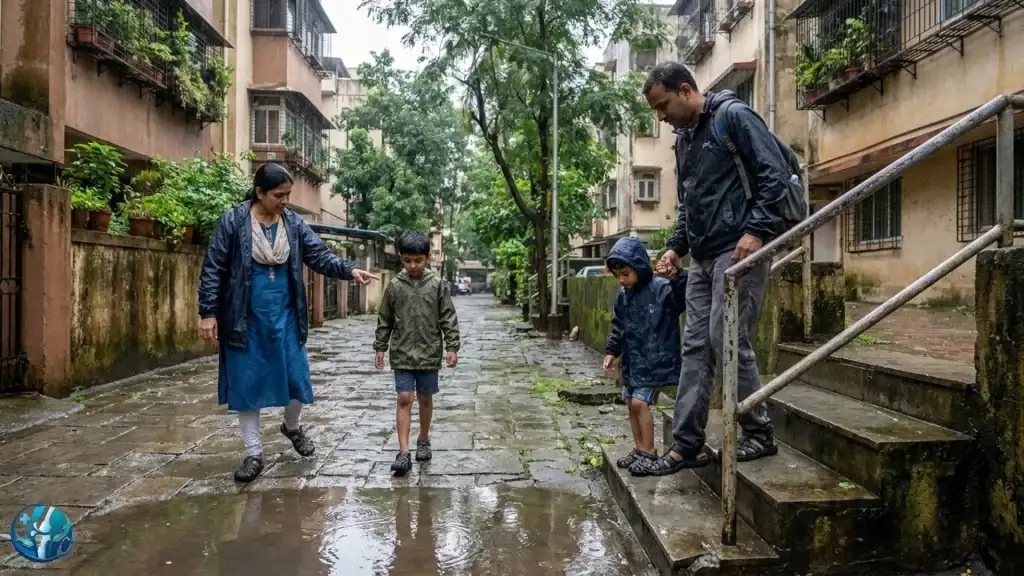
Tips to Prevent Slip and Fall Injuries During the Monsoon
Prevention is always better than treatment. A few simple precautions can significantly lower the risk of falls:
- Wear footwear with good grip, especially when stepping outdoors
- Walk carefully on wet surfaces and avoid rushing
- Use handrails on staircases, indoors and outdoors
- Keep bathrooms dry and use anti-skid mats
- Improve lighting around entrances and staircases
- Ride two-wheelers cautiously during heavy rain, slowing down on wet or oily patches
- Avoid rushing on slippery floors, particularly in tiled or marble areas
When Should You Visit an Orthopedic Doctor in Ahilyanagar?
Many monsoon falls result in bruises and minor discomfort that settle with basic first aid. But certain symptoms should never be brushed aside. If you experience swelling that doesn’t subside, pain that limits your movement, instability in a joint, or any suspicion of a fracture, it’s time to see an orthopedic doctor.
Residents looking for an orthopedic doctor in Savedi, Ahilyanagar don’t need to wait for symptoms to worsen. Early evaluation makes it easier to rule out fractures or ligament damage and start the right treatment before complications set in.
Why Patients Choose Dr. Avinash Gadekar
Patients dealing with monsoon-related injuries often look for care that combines accurate diagnosis with a clear treatment plan. At his clinic, Dr. Avinash Gadekar focuses on:
- Diagnosis of fractures and ligament injuries using clinical examination and imaging
- Personalized treatment plans based on the type and severity of the injury
- Modern orthopedic care, including access to digital X-ray and imaging-based diagnosis
- A convenient location in Savedi, Ahilyanagar, making it easier for local residents to seek timely care
Conclusion
Monsoon slip and fall injuries range from minor sprains to serious fractures, but most are treatable when addressed early. Ignoring persistent pain, swelling, or difficulty walking can lead to complications that are harder to manage later. If you or a family member experiences these symptoms after a fall, don’t wait; seek medical attention from an orthopedic doctor promptly to ensure a smooth and complete recovery.
FAQ
Q1. What should I do immediately after slipping during the rainy season?
Ans: Rest the injured area, apply ice, use compression if needed, and keep the limb elevated. Avoid walking on the injury or massaging it, and monitor for worsening symptoms.
Q2. How can I tell if I have a sprain or a fracture?
Ans: Sprains typically cause swelling and pain that improve gradually, while fractures often involve severe pain, visible deformity, or an inability to bear weight. An X-ray is the most reliable way to confirm a fracture.
Q3. When should I visit an orthopedic doctor after a fall?
Ans: If you experience severe swelling, inability to move or bear weight, visible deformity, numbness, or pain that persists beyond a couple of days, it’s advisable to consult an orthopedic doctor.
Q4. Can a simple fall damage knee ligaments?
Ans: Yes. A sudden twist or awkward landing during a fall can injure the ACL, MCL, or meniscus, even if the fall seems minor at the time.
Q5. How long does it take to recover from an ankle sprain?
Ans: Recovery time varies with severity. Mild sprains may improve within one to two weeks, while more severe sprains can take several weeks and may require physiotherapy for a full recovery.