

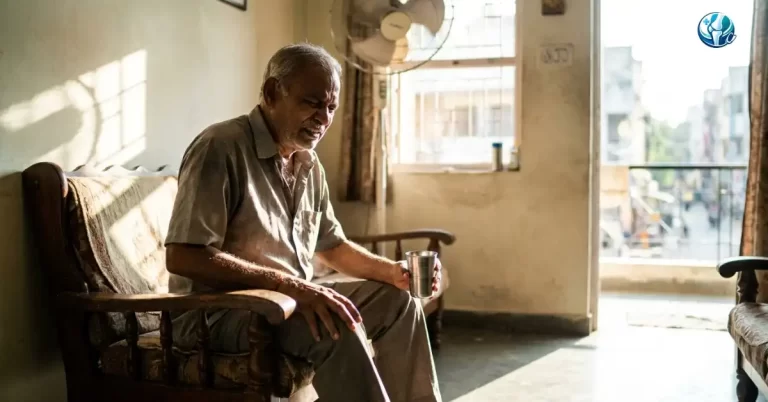
Ahilyanagar is currently baking in relentless 42-degree heat. The streets are empty by noon. Everyone is actively trying to avoid heatstroke, sunburns, and extreme exhaustion. However, a massive spike in orthopedic complaints is going entirely unnoticed by the general public.
A significant number of residents are suddenly experiencing severe knee stiffness, sudden joint friction, and radiating leg cramps. If your knees suddenly feel like rusty hinges this week, you are not alone. It is not just your imagination. The extreme weather is physically altering the mechanics of your body.
Human cartilage is composed of roughly 80 percent water. When you sweat heavily in this brutal Maharashtra summer, your body enters a state of survival triage. It steals water from your joints to keep your vital organs cool. We are going to explain the exact science behind why you are experiencing joint pain due to dehydration and how to fix it before you suffer permanent cartilage damage.
Can Dehydration Cause Joint and Muscle Pain?
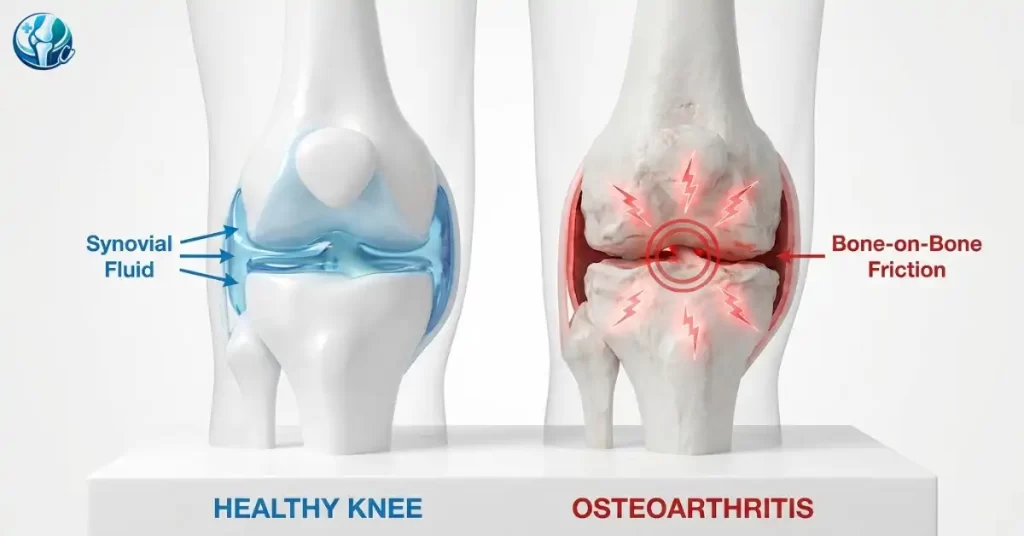
To understand the sudden pain, you must understand how your internal shock absorbers operate. Think of your knees and hips as heavy-duty mechanical hinges. These hinges rely entirely on a natural lubricating oil called synovial fluid. This fluid is packed with hyaluronic acid and water, designed to keep the cartilage slippery and friction-free.
Patients frequently ask us at the clinic: can dehydration cause joint and muscle pain? The medical answer is a definitive yes.
When you lose severe amounts of water through summer sweating, the water content inside your joint capsules drops rapidly. Your synovial fluid thickens. It changes from a slippery oil into a sticky gel. Consequently, the cartilage loses its sponge-like shock absorption. Every time you take a step, you are creating immediate, painful bone-on-bone friction.
Furthermore, sweating heavily flushes out essential minerals like potassium, calcium, and magnesium. Your muscles need these exact electrolytes to contract and relax smoothly. When they are gone, you will experience painful muscle spasms and severe cramps in your calves and thighs. This adds debilitating muscle aches on top of your dehydration joint pain.
Dehydration and Joint Pain Symptoms to Watch For
How do you know if the summer heat is actually the root cause of your joint distress? Look for these three specific dehydration and joint pain symptoms:
- Crepitus (The Popping Knee): If you hear loud clicking, grinding, or popping noises when walking up the stairs, your cartilage is likely dried out. The thick, sticky synovial fluid is failing to buffer the kneecap.
- Severe Morning Stiffness: This is the most common summer complaint. Sleeping in a dry, air-conditioned room while your body is already dehydrated causes the joints to lock up completely overnight. It might take you ten minutes of walking just to bend your knees properly in the morning.
- Heat Edema: People constantly wonder: can dehydration cause joint pain and swelling? Extreme heat causes your blood vessels to expand rapidly to release body heat. This vasodilation pushes fluid down into your lower extremities, pooling around the ankles. This harmless heat swelling is very different from the dangerous internal joint inflammation caused by advanced arthritis or trauma.
Why Does Dehydration Cause Joint Pain Specifically in 42°C Heat?
The human body operates on a strict hierarchy of survival. In 42-degree Ahilyanagar heat, your brain dictates that regulating your core temperature is the only priority. You must sweat to survive. The body will aggressively pull moisture from your extremities, your skin, and your joint capsules first to protect your heart, lungs, and brain. This biological survival mechanism is exactly why does dehydration cause joint pain to flare up so aggressively in May.
There is also a hidden indoor trap exacerbating the issue. Many elderly residents stay indoors under ceiling fans and AC units all day to avoid the harsh afternoon sun. This complete lack of daily movement, combined with a dehydrated body, causes the existing synovial fluid to stagnate and harden. Without movement, the joint cannot pump fresh nutrients into the cartilage.
Immediate Relief: How to Fix Joint Pain Due to Dehydration
If dehydration cause joint pain for you or your older family members, simply drinking a glass of plain water is not enough to reverse the friction. You need a highly aggressive, active hydration protocol.
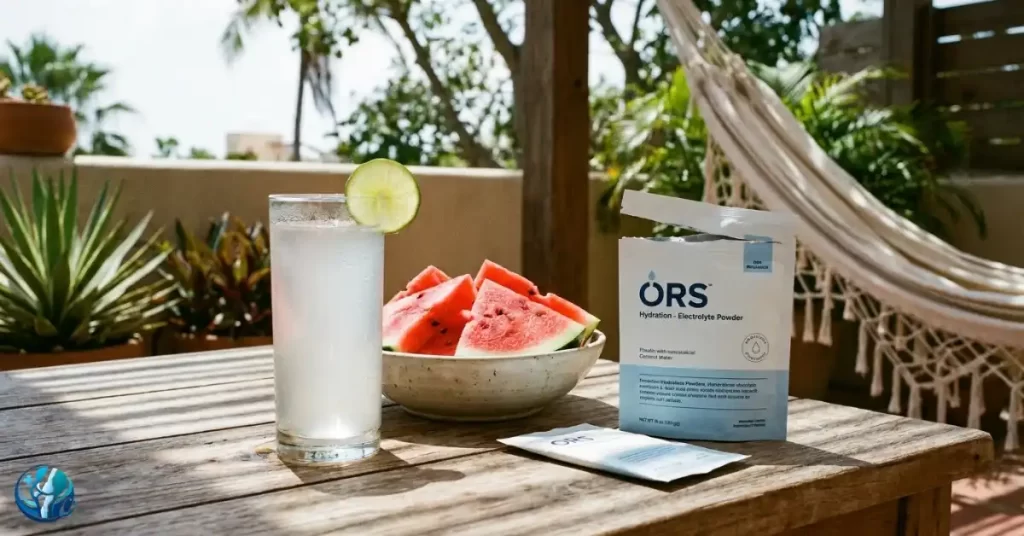
1. Drink Active Electrolytes: You need to replace the minerals lost to sweat. Opt for fresh coconut water, nimbu pani (lemon water) with a pinch of rock salt, or clinical ORS packets. Traditional Maharashtrian summer drinks like fresh taak (buttermilk) and water infused with sabja (basil seeds) are incredible for pushing moisture actively back into the joint capsule.
2. Maintain Safe Indoor Mobility: Do not sit completely still all day. You must move to keep the joints lubricated. Perform light, 10-minute stretching routines inside the house during the early morning or late evening. Simple seated knee extensions and ankle pumps act as a mechanical pump to circulate the synovial fluid without exposing you to the dangerous midday sun.
3. Eat Water-Rich Foods: Hydration also comes from your diet. Increase your daily intake of watermelon, cucumber, and fresh curd to naturally boost your cellular hydration levels from the inside out.
Is It Just the Heat, or Is It True Knee Arthritis?
This is the most critical distinction you must make. Many patients confuse temporary dehydration stiffness with the onset of chronic joint degradation.
If you strictly follow the hydration protocols above and your joint pain vanishes within 48 hours, you simply had a “dry hinge.”
However, if the pain, clicking, and stiffness persist even after a week of aggressive hydration, the summer heat has likely just exposed an underlying, chronic condition. Dried-out joints often reveal early-stage osteoarthritis that was previously masked by healthy synovial fluid. If you are struggling with this chronic friction, we highly recommend reading our deep-dive clinical resource on Gudghe Dukhi: The Ahilyanagar Guide to Knee Preservation to understand your long-term treatment and joint-saving options.
Expert Orthopedic Care at Neuron Plus Hospital
Do not let the extreme summer weather permanently damage your mobility. Prolonged bone-on-bone friction will eventually tear your natural cartilage.
Dr. Avinash Gadekar is a leading orthopedic specialist at Neuron Plus Hospital in Ahilyanagar. We provide comprehensive joint evaluations, advanced diagnostics, and minimally invasive arthroscopy and sports injuries treatments to catch cartilage degradation before it requires major replacement surgery.
Book your clinical consultation today and protect your joint health this summer.
Frequently Asked Questions: Dehydration and Joint Health
Q1. Can dehydration cause joint and muscle pain?
Ans: Yes. Your joints rely on synovial fluid for smooth lubrication, and this fluid is mostly water. Severe dehydration thickens this fluid into a sticky gel. This causes immediate bone-on-bone friction, leading to severe joint pain and surrounding muscle cramps.
Q2. Can dehydration cause joint pain and swelling in the summer?
Ans:Dehydration directly causes joint friction and pain. However, extreme summer heat also causes your blood vessels to expand rapidly. This pushes fluid into your lower legs, causing swollen ankles known as heat edema. If your actual knee joint is swollen, consult an orthopedic doctor immediately.
Q3. What is the fastest way to relieve joint pain due to dehydration?
Ans: Drinking plain water is not enough. You must aggressively rehydrate using electrolyte-rich fluids like fresh coconut water, lemon water with salt, or clinical ORS. Combine this with light indoor stretching to actively pump the newly hydrated fluid back into the cartilage.
Q4. How long does dehydration joint pain typically last?
Ans: If the pain is strictly caused by a lack of water, it should resolve within 48 hours of aggressive fluid and electrolyte replacement. If your knees still hurt, click, or grind after three days, the heatwave has likely exposed underlying osteoarthritis.
Q5. How can I prevent sudden knee pain during a 44°C heatwave?
Ans: Drink electrolyte-infused water consistently throughout the day. Avoid sitting completely still in air-conditioned rooms for long periods, as cold air further dehydrates your body. Perform ten minutes of light mobility exercises indoors to keep your cartilage lubricated without facing the harsh afternoon sun.