
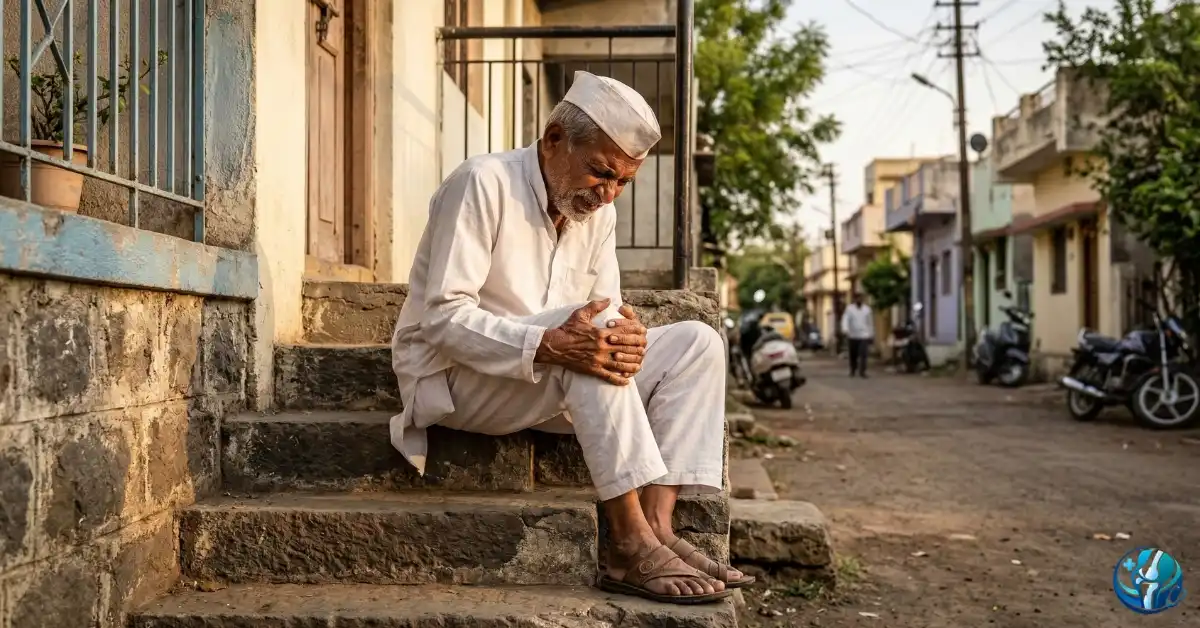
Living with chronic knee pain changes everything. It dictates how far you can walk, whether you can play with your grandchildren, and how comfortably you can do your job. In Ahilyanagar, the rising complaint of Gudghe Dukhi is forcing active people to limit their daily lives.
There is a dangerous myth surrounding severe knee pain. Most patients believe that a hurting knee automatically means they need a total knee replacement. This is simply not true.
If caught early, you can save your natural joint. This clinical approach is called Knee Preservation. Dr. Avinash Gadekar specializes in advanced joint preservation at Neuron Plus Hospital in Savedi. He utilizes targeted therapies, biomechanical adjustments, and minimally invasive keyhole procedures to delay or completely eliminate the need for heavy surgery.
Here is your complete guide to preserving your knees, stopping the pain, and reclaiming your mobility in Ahilyanagar.
What Causes Gudghe Dukhi in Our Daily Lives?
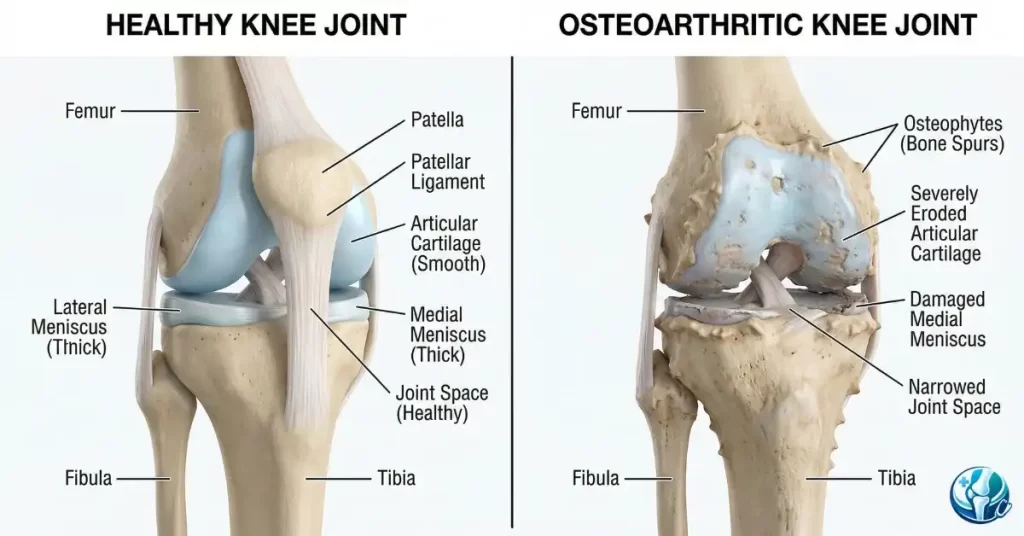
Your knee is a mechanical hinge. The ends of your thigh bone and shin bone are coated in a smooth, shock-absorbing material called articular cartilage. Between these bones sit two C-shaped pieces of tough rubber called the meniscus.
When you are young, this system glides flawlessly. However, mechanical wear and tear slowly strips away this protective cartilage.
In Ahilyanagar, our specific lifestyle accelerates this joint damage. Several local factors contribute directly to early-onset Gudghe Dukhi:
- Uneven Roads: Riding two-wheelers over potholes sends direct, high-impact shockwaves straight into your knee joints.
- Occupational Strain: Workers in the MIDC industrial zones often stand on hard concrete floors for 8 to 10 hours a day. This causes chronic compression on the meniscus.
- Cultural Habits: Regular use of traditional Indian-style toilets forces the knee into extreme deep flexion. This multiplies the pressure on the kneecap by up to seven times your body weight.
These daily micro-traumas compound over time. The cartilage thins out, the joint space narrows, and eventually, bone grinds directly against bone. That is when the severe, stabbing pain begins.
Home Remedies and Diet for Joint Health
Before you step into a clinic, you must take control of your biology. You cannot rebuild lost cartilage with food, but you can drastically reduce the swelling and inflammation that causes the actual pain.
Anti-Inflammatory Nutrition
Your diet acts as a natural defense system. You need to feed your joints compounds that lower internal inflammation.
- Omega-3 Fatty Acids: Incorporate flaxseeds, walnuts, and fatty fish into your weekly meals. These act as natural joint lubricants.
- Curcumin Power: The active ingredient in Haldi (Turmeric) is curcumin. It is scientifically proven to rival standard painkillers for reducing joint inflammation.
The Ultimate Upay: Weight Management
This is the single most important non-surgical treatment for Gudghe Dukhi. Physics dictates that every extra kilo of body weight adds four kilos of pressure to your knee joint with every step you take. Dropping just five kilos removes twenty kilos of mechanical stress from your knees. Weight management is not just about looking good. It is a critical medical strategy to save your natural joint.
Hot and Cold Therapy
Do not mix these up. If you have sudden, sharp pain and visible swelling after a long day of walking, use an ice pack for 15 minutes. Ice restricts blood flow and stops acute swelling. If your knees feel stiff and achy when you wake up in the morning, use a hot water bag. Heat relaxes tight muscles and lubricates the joint capsule.
Knee Strengthening: Your First Line of Defense
Bones do not absorb shock well. Muscles do.
If your leg muscles are weak, every ounce of impact from walking hits your knee joint directly. The goal of knee preservation is to build a muscular “shock absorber” around the joint to protect the thinning cartilage.
Safe Movements for Knee Pain
You want to strengthen the muscles without grinding the actual joint.
- Straight-Leg Raises: Lie flat on your back. Keep one leg bent and the other straight. Slowly lift the straight leg about six inches off the floor and hold it for five seconds. This isolates and strengthens your quadriceps without stressing the knee gap.
- Seated Knee Extensions: Sit in a firm chair. Slowly straighten your leg out in front of you, squeeze your thigh muscle, and lower it back down.
Movements You Must Avoid
If your knees are currently hurting, you must immediately stop doing the following:
- Deep Squatting: Stop sitting on the floor in Padmasana (cross-legged).
- High-Impact Cardio: Avoid running or jumping rope on hard surfaces. Switch to swimming or stationary cycling instead.
- Indian Toilets: Transition to a western commode or use a raised toilet chair to prevent extreme joint flexion.
Advanced Joint Preservation at Neuron Plus Hospital
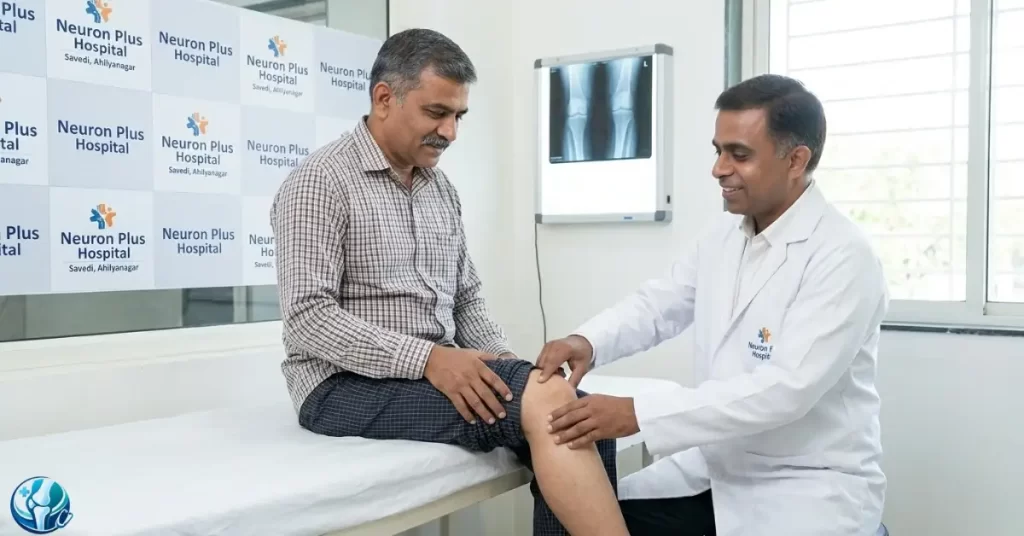
When diet and basic exercises are no longer enough, you need medical intervention. Dr. Avinash Gadekar utilizes a step-by-step preservation protocol to keep you away from the major operating theater.
1. Intra-Articular Injections (Joint Lubrication)
If your joint is drying out and grinding, Dr. Avinash Gadekar can inject heavy-duty lubrication directly into the knee capsule.
- Viscosupplementation: This involves injecting hyaluronic acid. Think of this like adding premium oil to a rusty mechanical hinge. It instantly coats the joint, reduces friction, and allows for painless movement.
- PRP Therapy: Platelet-Rich Plasma uses your own blood. We concentrate the healing growth factors and inject them into the damaged knee to accelerate soft tissue repair and reduce chronic inflammation.
2. Targeted VMO Rehabilitation
The Vastus Medialis Obliquus (VMO) is the teardrop-shaped muscle on the inside of your thigh. It acts as the primary steering wheel for your kneecap. If your VMO is weak, your kneecap tracks off-center and grinds against the underlying bone. Our clinical physiotherapy team will map out a specific rehab chart to isolate and strengthen your VMO, instantly reducing anterior knee pain.
3. Keyhole Arthroscopy
Sometimes, a piece of torn meniscus cartilage gets trapped inside the joint hinge. This causes a painful clicking or “locking” sensation.
Dr. Avinash Gadekar does not need to open your entire knee to fix this. Using advanced Arthroscopy, he makes a tiny 1-centimeter keyhole incision. He inserts a high-definition fiber-optic camera and precision micro-tools to gently trim away the torn, jagged cartilage. This is a Day Care Procedure. You walk in, the mechanical blockage is removed, and you walk out the exact same day.
By fixing the minor mechanical damage now, you can preserve the natural knee and delay the need for a total joint replacement by several years.
When Is It Time to Visit a Specialist in Savedi?
Do not ignore the warning signs. Masking the pain with over-the-counter tablets will only accelerate the joint damage. You must book a clinical consultation if you experience any of the following trigger points:
- Mechanical Locking: Your knee suddenly catches, clicks loudly, or refuses to straighten out fully.
- Visible Ballooning: The joint swells up significantly after routine activities like climbing stairs.
- Night Pain: The throbbing pain is so severe it disrupts your sleep.
- Buckling: Your knee feels unstable, as if it is going to give out from under you.
Early diagnosis is your greatest weapon against joint replacement.
Conclusion: Take Control of Your Joint Health Today
Ignoring Gudghe Dukhi will not make it disappear. Relying on daily painkillers only masks the mechanical damage happening inside your joint. The clinical truth is simple: the earlier you address the wear and tear, the higher your chances of avoiding a total knee replacement entirely.
You do not have to give up your mobility or accept chronic pain as a normal part of aging in Ahilyanagar. With advanced joint preservation techniques, targeted VMO strengthening, and expert clinical guidance, you can save your natural knees.
Take the definitive step toward a pain-free life. Do not wait for the joint to lock or the cartilage to completely erode. Book a comprehensive knee preservation consultation with Dr. Avinash Gadekar at Neuron Plus Hospital in Savedi today. Let us build a personalized, non-surgical roadmap to get you back on your feet.
Frequently Asked Questions (Gudghe Dukhi)
Q1. Can Gudghe Dukhi be cured without surgery?
Ans: Yes. Severe knee pain does not always mean you need a total knee replacement. If diagnosed early, conditions like osteoarthritis can be managed through joint preservation techniques. Dr. Gadekar uses specialized PRP injections, targeted physiotherapy, and weight management to save your natural knee and eliminate the pain without major surgery.
Q2. Which doctor is best for knee pain in Ahilyanagar?
Ans: You need an orthopedic specialist who prioritizes natural joint preservation over immediate joint replacement. Dr. Avinash Gadekar at Neuron Plus Hospital in Savedi is a leading expert in this approach. He utilizes advanced arthroscopy and joint lubrication therapies to extend the life of your natural knees.
Q3. What is the best treatment for worn knee cartilage?
Ans: The exact treatment depends on your level of cartilage loss. For mild to moderate wear, intra-articular injections act like heavy-duty grease to lubricate the joint. If a piece of cartilage is torn and causing the knee to lock, a minor keyhole arthroscopy is the gold standard for rapid relief.
Q4. What daily habits should I stop if my knees hurt?
Ans: If you are suffering from acute Gudghe Dukhi, you must immediately stop deep squatting. Avoid sitting cross-legged on the floor (Padmasana) and transition away from using traditional Indian-style toilets. These specific movements force the knee into extreme flexion and place massive mechanical pressure on your thinning cartilage.
Q5. How do I know if my knee pain is serious?
Ans: You should book a clinical consultation immediately if your knee suddenly “locks” or refuses to straighten. Other red flags include severe visible swelling after light walking, pain that keeps you awake at night, or a feeling that your leg is going to buckle beneath you.